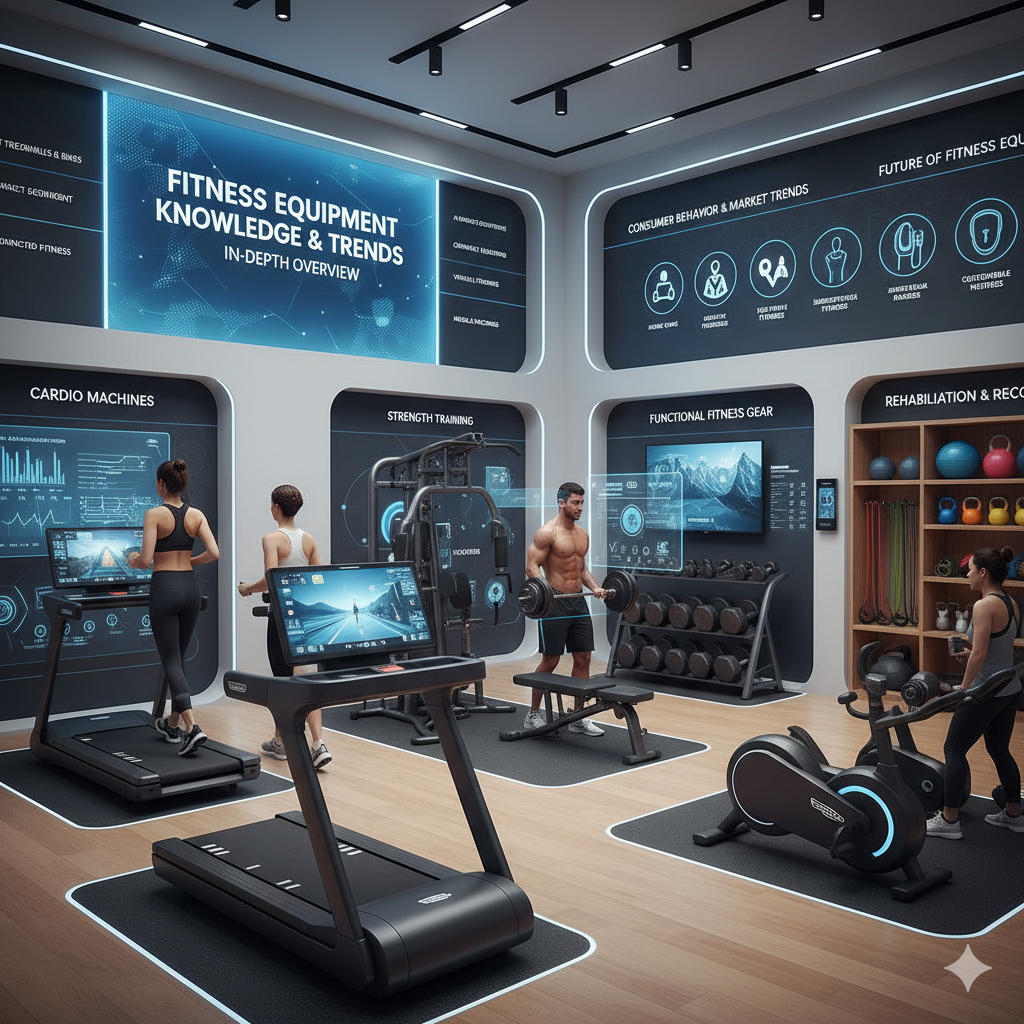
Fitness Equipment Knowledge & Trends — In-Depth Overview
In today’s rapidly evolving fitness world, understanding fitness equipment knowledge and trends is essential for every fitness business owner. Whether you’re running a gym, a fitness equipment store, or an online fitness brand, staying updated with the latest innovations helps you meet customer needs, improve product offerings, and stay competitive in the marketplace.
1. The Evolution of Fitness Equipment
Fitness equipment has come a long way from simple dumbbells and benches to high-tech smart machines. Modern equipment now blends technology, design, and functionality to offer users a more personalized and effective workout experience.
Key innovations include:
- Smart Treadmills & Bikes: These feature digital consoles, app integration, and real-time performance tracking.
- AI-Powered Equipment: Machines that automatically adjust resistance and difficulty based on the user’s ability.
- Compact & Foldable Equipment: Designed for home gyms, these save space while maintaining efficiency.
Understanding these advancements helps you recommend the right solutions to your customers — from hardcore athletes to casual fitness enthusiasts.
2. Knowledge of Equipment Categories
A successful fitness equipment dealer must have deep knowledge across all categories:
- Cardio Machines: Treadmills, ellipticals, spin bikes, rowing machines.
- Strength Training Equipment: Dumbbells, barbells, benches, power racks, multi-gyms.
- Functional Fitness Gear: Kettlebells, resistance bands, medicine balls, battle ropes.
- Rehabilitation & Recovery Tools: Foam rollers, massage guns, balance boards.
Each type of equipment serves a unique purpose, and understanding the benefits, materials, and usage guidelines of each helps you better assist customers and build trust in your brand.
3. Technology Integration in Modern Equipment
Technology has transformed the way people train.
Some key tech-driven trends include:
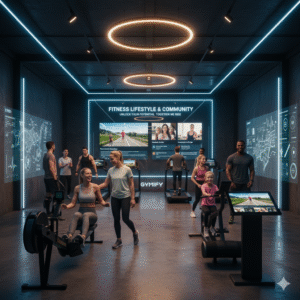
- Connected Fitness Ecosystems: Integration with fitness apps, wearables, and online training platforms.
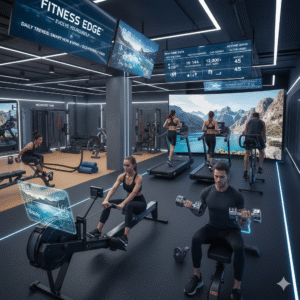
- Virtual Training & Interactive Workouts: Machines that simulate outdoor environments or include guided video sessions.
- Data Tracking: Real-time metrics such as calories burned, heart rate, and form correction.
- Energy Efficiency: Eco-friendly machines that generate or conserve power while in use.
These trends not only enhance user engagement but also add value to your products, helping your store appeal to modern, tech-savvy customers.
4. Design & Ergonomics
Modern fitness equipment focuses on ergonomic design, ensuring comfort, safety, and performance.
Understanding these aspects helps you advise customers on:
- Proper posture and grip design to prevent injuries.
- Adjustable features that accommodate various body types.
- Durable materials like stainless steel, heavy-duty frames, and non-slip surfaces.
Good design isn’t just about looks — it’s about functionality, safety, and user satisfaction.
5. Consumer Behavior & Market Trends
The fitness industry is shifting toward personalized and home-based fitness solutions. After the pandemic, home gyms became a major trend, driving demand for compact, affordable, and smart fitness tools.
Other market movements include:
- Increased focus on women’s fitness equipment.
- Growth in eco-friendly materials and sustainable manufacturing.
- Rise of subscription-based fitness platforms that integrate with physical equipment.
- Hybrid fitness — combining in-person and digital experiences.
By keeping track of these shifts, your business can stock the right mix of products to meet evolving customer expectations.
6. Future of Fitness Equipment
The future of fitness equipment lies in customization, connectivity, and sustainability. As consumers seek convenience, personalization, and technology-driven motivation, the next wave of fitness products will feature:
- AI-driven personal coaching systems.
- Equipment with built-in sensors for form analysis.
- Modular machines for small spaces.
- Smart wearables integrated directly into gym equipment.
Businesses that adapt early to these innovations will gain a competitive edge.
Conclusion
Fitness Equipment Knowledge & Trends is more than just understanding machines — it’s about understanding people, performance, and progress. By staying informed on the latest equipment technologies, ergonomic designs, and consumer trends, you position your shop as a trusted expert in the fitness industry. This not only builds your reputation but also drives long-term business growth and customer loyalty.