Running a fitness equipment store today goes beyond just selling machines — it’s about building a brand that inspires health, performance, and lifestyle transformation. The business and marketing side of fitness retail determines how effectively you connect with your audience, position your brand, and turn casual visitors into loyal customers.
1. Understanding the Fitness Market
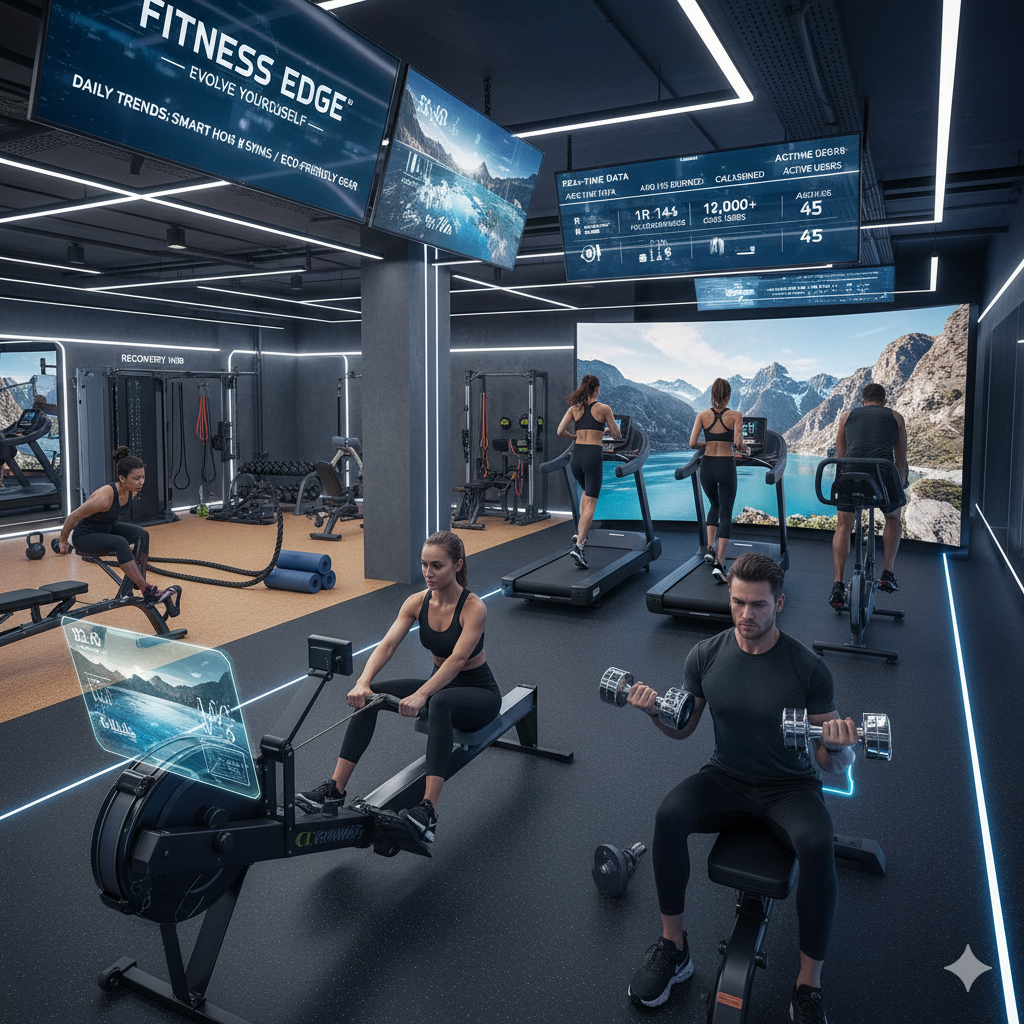
The fitness industry is evolving rapidly, driven by growing awareness of health and wellness. Customers today are not just buying equipment — they’re investing in convenience, results, and motivation. As a store owner, understanding the types of buyers (home gym users, commercial gyms, fitness trainers, institutions, etc.) helps you tailor your approach, pricing, and communication style. Market analysis also involves studying fitness trends like smart home gyms, compact equipment, and eco-friendly materials, so you can align your product line with what customers are searching for.
2. Building a Strong Brand Identity
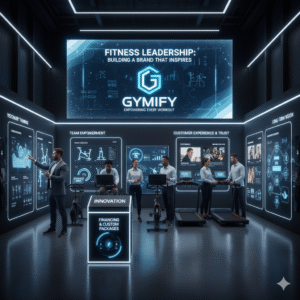
Your fitness store needs to stand out in a competitive space. A brand identity includes your name, logo, color scheme, slogan, and the emotions your brand evokes. For example, “Gymify” can position itself as “Empowering Every Workout” — representing accessibility, motivation, and innovation. A clear brand story helps customers connect emotionally, making them more likely to choose you over larger competitors.
3. Customer Experience & Trust
In fitness retail, trust is the foundation of success. Customers must feel confident about the quality, safety, and durability of your equipment. Offering demo sessions, product trials, installation support, warranties, and easy financing options builds credibility. Personalized service — understanding a buyer’s goals (weight loss, muscle gain, home setup, etc.) — can turn a one-time sale into a long-term relationship.
You can also build trust through social proof — testimonials, before-and-after transformations, or gym partnerships showing your products in use.
4. Digital Marketing Strategies
In today’s digital age, marketing is where your store truly comes alive. A strong online presence makes your brand discoverable and desirable. Key strategies include:
- Social Media Marketing – Share videos, equipment demos, customer transformations, and fitness tips on Instagram, Facebook, and YouTube.
- SEO (Search Engine Optimization) – Optimize your website so people searching “best gym equipment in [your city]” find you first.
- Content Marketing – Write blogs or short videos about “How to set up a home gym” or “Top 5 machines for fat loss” to build authority.
- Influencer Collaborations – Partner with local trainers or fitness influencers to promote your equipment authentically.
- Paid Ads – Run Google Ads and Meta Ads targeting fitness enthusiasts, gyms, and home users near you.
Digital marketing helps you convert awareness into leads — and leads into loyal customers.
5. Offline Sales & Community Engagement
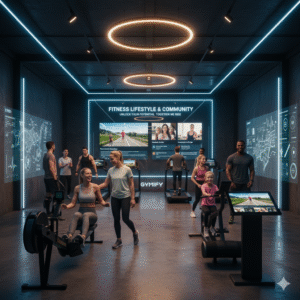
While online marketing attracts new customers, offline engagement builds relationships. Hosting free fitness workshops, demo days, or collaborations with local gyms and trainers creates a sense of community. These events also serve as live marketing opportunities — people can try your products, ask questions, and trust your expertise firsthand.
6. Product Display & Visual Merchandising
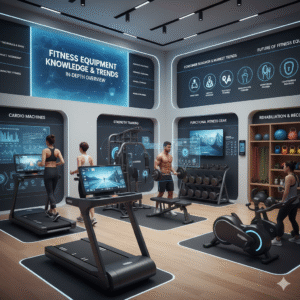
In-store presentation matters just as much as product quality. A well-designed showroom that highlights functionality, innovation, and user benefits helps customers visualize the equipment in their own space. Using clear signage, lighting, and categorized sections (Cardio Zone, Strength Zone, Home Gym Zone, etc.) enhances shopping experience and boosts sales.
7. After-Sales Service & Retention
Fitness equipment isn’t a one-time purchase — it needs maintenance, support, and upgrades. Providing after-sales services like regular maintenance checks, spare parts, and exchange programs strengthens your brand’s reputation. Following up with customers, asking for reviews, and offering loyalty discounts encourage repeat business.
8. Data-Driven Growth
Modern fitness stores rely on data analytics to make smart business decisions. Tracking sales performance, understanding peak buying seasons, and analyzing customer preferences helps you stock the right products at the right time. Online tools can also measure ad performance, helping you adjust your marketing strategy for better ROI (Return on Investment).
🏁 Conclusion
Success in the fitness equipment business isn’t just about having the best machines — it’s about knowing your market, communicating your value, and delivering exceptional experiences. A well-thought-out marketing strategy combined with genuine customer care can turn your shop into a trusted fitness brand.